
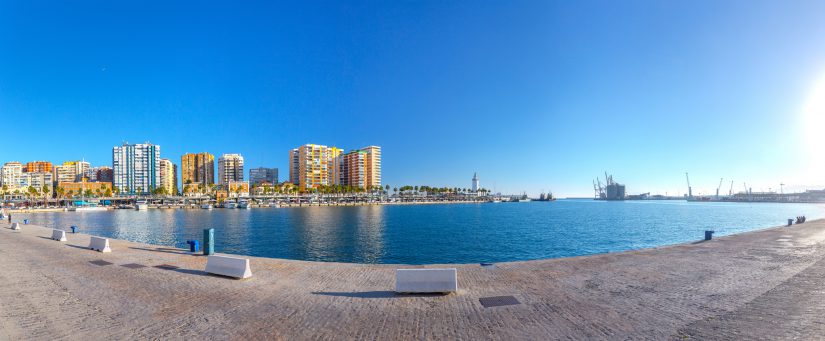
Nordmenn elsker Malaga! Dette er hovedstaden i vakre Costa del Sol og provinsen Malaga, som befinner seg i regionen Andalucia sør i Spania, ikke så langt fra Gibraltar. Faktisk er Malaga den femte største byen i Spania, og har et befolkningstall på rundt 600 000 i bykjernen. Regner vi med forstedene rundt blir folketallet over en million. Det vakre stedet omgis av elver og fjell, og kan by på et herlig middelhavsklima til vinterbleke nordmenn. Her er det lett å finne roen!
Utforsk Malaga med bil
 Dersom du flyr til Malaga vil du ha mange gode muligheter til å leie bil på flyplassen. Her finnes det respekterte leiebilselskaper som Sixt, Avis og Hertz. Det er også mindre kjente aktører å leie bil fra her, inkludert lokale selskaper, som Centauro og Alamo Rent A Car. Andre aktører som Budget, Spania Leiebil, Europcar og Goldcar er også på plass. Her kan du velge og vrake, slik at du finner den perfekte bilen til en gunstig pris for deg og ditt reisefølge.
Dersom du leier en bil i Malaga, vil du ha et svært godt utgangspunkt for å utforske Malaga og områdene rundt. Dette er kanskje den beste måten å bli bedre kjent med attraksjonene og severdighetene i området, da du får mulighet til å gjøre ting i ditt eget tempo og med stor grad av fleksibilitet – sammenlignet med guidede turistbusser som gir deg et begrenset antall minutter per stoppested. Ser du noe spennende langs veien, ja, da kan du stoppe etter eget ønske og nyte alle inntrykkene.
Steder du bare må se!
Når du er i Malaga er det visse severdigheter og attraksjoner du bør få med deg, og du kan enkelt komme deg fram ved hjelp av bil. En av tingene du ikke må gå glipp av – ifølge Aftenposten er Alcazaba, et maurisk middelalderpalass som kan by på uforglemmelig utsikt over havet. Få også med deg Picasso-museet, som også er et gammelt palass fra 1500-tallet. Her kan du finne mer enn 200 kunstverk fra Pablo Picasso. Kjører du hit kan du parkere like i nærheten.
Det er også verdt å besøke den flotte parken Malaga Park ifølge brukere på TripAdvisor. Her kan du ta med familien og slappe av i en grønn lomme i et ellers urbant miljø. Nyt synet av flott arkitektur og grønt gress om hverandre. Du må heller ikke gå glipp av den katolske kirken Catedral de la Encarnación de Málaga. Dette er en vakker katedral ned nydelige arkitektoniske detaljer, som åpnet i 1782, inspirert av renessansen. Stikk også innom kunstmuseet Colección del Museo Ruso som ligger i Edificio de Tabacalera.
Utforsk områder i nærheten
Med en leiebil kan du enkelt se mer enn bare bykjernen av Malaga. Hvorfor ikke dra på en liten dagsutflukt til områder i nærheten, slik at du får oppleve mest mulig av den spanske kulturen på nært hold? Du kan for eksempel dra til byen Marbella, som ligger ca. 60 km unna. Det tar omtrent 50 minutter å kjøre hit dersom du følger AP-7 og MA-20 fra Malaga by. Her kan du nyte spansk tapas i solnedgangen, og lytte til klassisk spansk live-musikk natten lang.
For et innblikk i ekte spansk kultur kan du gjerne besøke småsteder i Malaga-provinsen, som El Chorro. Dette er et lite tettsted med rundt 250 innbyggere, og er stedet for deg som trenger en pause fra storbylivet. Her kan du teste ut fjellklatring, hiking eller campe, i klassisk spansk habitat. Du kommer deg enkelt til El Chorro med bil, ca. 1 times kjøretur fra Malaga dersom du følger A-357. El Chorro er omtrent 60 km nordvest for Malaga by. Er du klar for et spansk eventyr?
- Kjør til andre byer i nærheten, som Marbella
- Utforsk ekte spansk natur i El Chorro
Husk på dette når du kjører i Spania
Det er viktig å være klar over at trafikken i Spania er noe annerledes enn i Norge. Spanjolene er nok ikke like pirkete når det kommer til å overholde trafikkreglene, noe som betyr at det er større sjanse for at uhell oppstår i trafikken. Det er ikke alle som stopper på rødt lys eller for fotgjengere, og det er heller ikke uvanlig med forbikjøringer i både høyre og venstre felt. Du bør derfor være ekstra forsiktig om du skal krysse veien som fotgjenger.
Som bilist bør du også huske på at det ikke er alle spanjoler som overholder vikeplikt, så du bør være litt forsiktig når du kommer til veikryss. Du må også belage deg på en del tuting fra rastløse spanske bilister. Ta et dypt pust og tenk at du har ansvar for egen kjøring, så ikke la deg provosere eller hisse opp. Vis hensyn til både myke trafikanter og andre biler. Bruk også bilbelte og hold fartsgrensen, så kommer du deg nok trygt fram fra A–B.
Ting du bør pakke med i bilen!
 Når du er på kjøretur med leiebil i Malaga og Spania, kjører du gjerne på steder hvor du ikke er kjent fra før. Derfor er det visse ting du bør ha med deg i bilen, slik at du får en mest mulig komfortabel og bekvem biltur. Du bør blant annet ta med en GPS slik at du enklere finner veien. Ta eventuelt med kart, slik at sidemannen kan veilede deg underveis. Det kan også være lurt å ta med telefonen i tilfelle du trenger å ringe etter hjelp.
Det kan være godt å strekke litt på beina mens du er på kjøretur. Husk på at solen er sterk i Spania, og at du derfor bør ha med solkrem i bilen. Pakk gjerne med deg vann og matpakke også, ettersom du ikke kan være 100 % sikker på at maten holder norsk standard langs alle småstedene på veien. Du vil nødig bli syk i magen av en dårlig sandwich eller lignende. Ellers gjelder det bare å pakke med seg godt humør!